
Overview
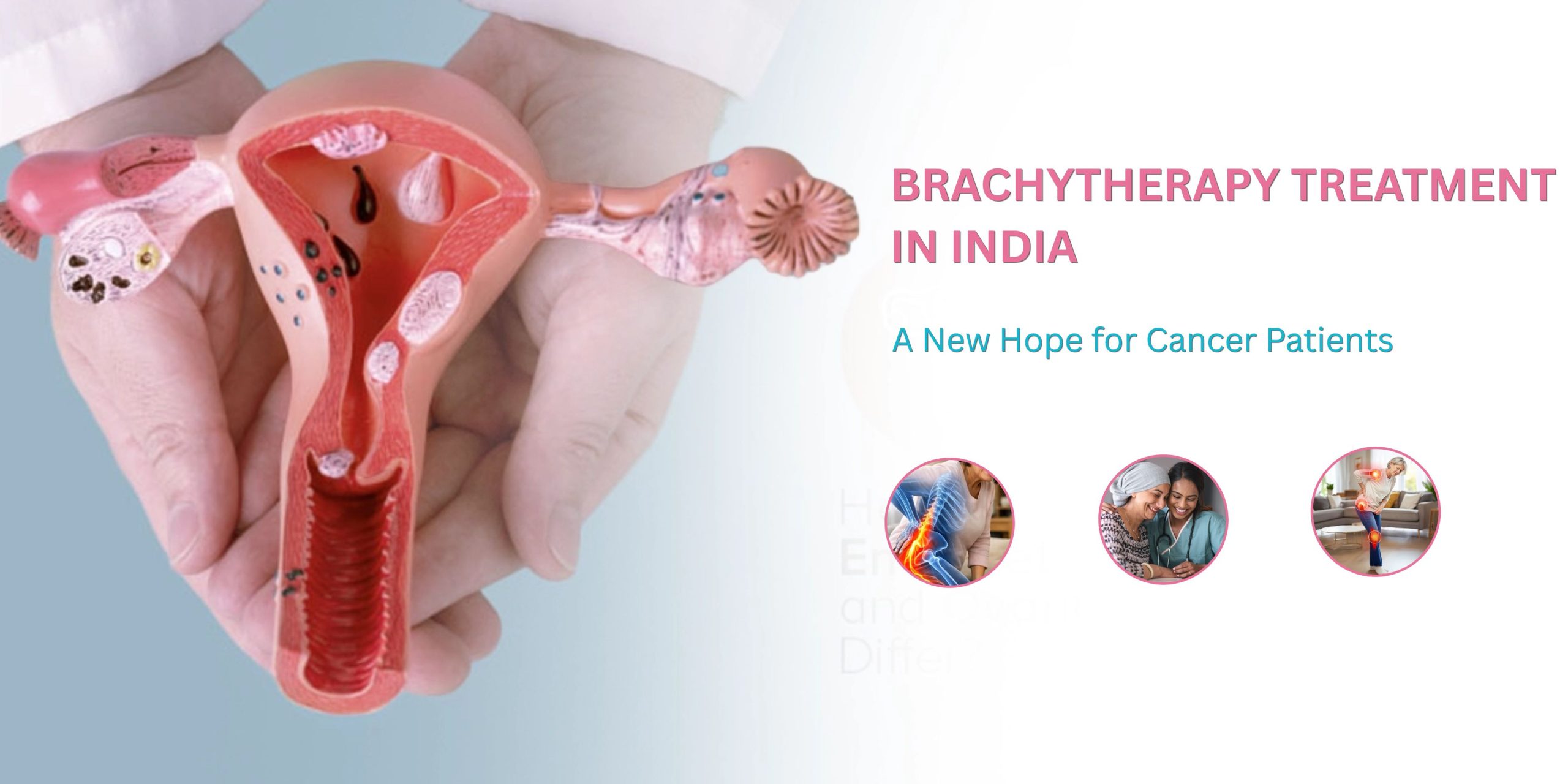
Brachytherapy is a highly precise form of internal radiation therapy where a sealed radioactive source—such as pellets, seeds, ribbons, or capsules—is placed directly inside or immediately next to a tumor. This localized method allows oncologists to safely deliver a significantly higher total dose of radiation to a targeted area compared to standard external beam radiation.
Because the radiation drops off rapidly as it moves away from the source, this technique maximizes tumor destruction while strictly sparing adjacent healthy tissues and organs from damage. Commonly utilized to treat malignancies like prostate, cervical, breast, and even recurrent brain tumors, brachytherapy can be administered via temporary high-dose-rate (HDR) sessions or through permanent low-dose-rate (LDR) micro-implants that slowly dissipate over several months.
What cancers can brachytherapy effectively treat?
Brachytherapy is a highly effective treatment primarily used for cancers in areas where radioactive sources can be safely placed directly into or right next to the tumor. It is most commonly and effectively used to treat the following cancers:
-
Prostate Cancer: Frequently used as a standalone treatment for early-stage cases or combined with external radiation for advanced stages.
-
Gynecological Cancers: A critical standard of care for cervical and uterine (endometrial) cancers, typically following external radiation.
-
Breast Cancer: Utilized as accelerated partial breast irradiation (APBI) after a lumpectomy to target the remaining tissue.
-
Skin Cancer: Applied using specialized surface molds to treat non-melanoma skin cancers (like basal cell or squamous cell carcinoma).
-
Head and Neck Cancers: Used for tumors in the lip, tongue, floor of the mouth, or nasopharynx to protect nearby vital facial structures.
-
Eye (Ocular) Cancers: Specialized radioactive plaques are placed over the eye to treat uveal melanoma while preserving vision.
-
Other Cancers: Less commonly, it is used to treat recurrent brain tumors (gliomas), lung cancer, and soft tissue sarcomas.
How affordable is brachytherapy treatment India?
Brachytherapy treatment in India is highly affordable and globally competitive, generally costing between ₹1,00,000 and ₹3,50,000 depending on the clinical complexity and the specific cancer being treated. This represents a fraction of the cost found in many Western nations, allowing patients to access advanced internal radiation therapy at a 60% to 80% savings without compromising on healthcare quality.
Prices within this range fluctuate based on whether the case requires High-Dose-Rate (HDR) sessions or Permanent Low-Dose-Rate (LDR) seed implants, which require specialized radioactive materials. Furthermore, because it is an established, life-saving oncology intervention, the procedure is widely covered by private health insurance plans and various government-backed medical welfare schemes, drastically minimizing out-of-pocket expenses for eligible patients.
What types of brachytherapy treatments exist?
-
By Duration (How long the radiation lasts)
-
High-Dose-Rate (HDR) Brachytherapy: A powerful radioactive source is placed into the tumor via catheters for just a few minutes per session and then completely removed. The patient receives a few sessions over several days, and no radiation remains in the body between treatments.
-
Low-Dose-Rate (LDR) Brachytherapy: A lower dose of radiation is delivered continuously over a longer period.
-
Temporary LDR: The source is left inside the body for a few days, requiring a hospital stay, and then removed.
-
Permanent LDR (Seed Implantation): Tiny radioactive “seeds” are permanently implanted directly into the tumor (commonly for prostate cancer). They give off safe, localized radiation for a few weeks or months until they naturally decay and become harmless.
-
By Location (Where the source is placed)
-
Interstitial Brachytherapy: The radioactive sources are placed directly inside the tumor tissue itself using specialized needles or catheters (used for prostate, breast, or soft tissue cancers).
-
Intracavitary Brachytherapy: The sources are placed inside an existing body cavity near the tumor using an applicator device (standard practice for cervical and uterine cancers).
-
Intraluminal Brachytherapy: The radiation is directed inside a hollow tube or lumen within the body, such as the esophagus or trachea (used for lung or esophageal cancers).
-
Surface (Plique) Brachytherapy: Radioactive molds or discs are applied directly to the outside of the body over the affected area (used for skin cancers or eye tumors).
How does brachytherapy target cancer cells?
Brachytherapy targets cancer cells by placing a sealed radioactive source directly inside or immediately next to the tumor, delivering a highly concentrated dose of radiation directly to the malignancy. Unlike external beam radiation, which must travel through healthy skin and tissue to reach a tumor, brachytherapy works from the inside out, utilizing physics and biology to maximize tumor destruction while sparing the surrounding body.
The therapy targets and destroys cancer cells through several distinct mechanisms:
-
The Inverse Square Law of Physics
-
Rapid Dose Fall-Off: Radiation intensity drops off sharply and dramatically as the distance from the radioactive source increases.
-
Localized Trapping: Because the radioactive seeds or catheters are embedded directly in the tumor, the cancer cells receive 100% of the intended high radiation dose, while healthy tissue just a few millimeters away receives almost none.
-
Cellular DNA Damage
-
Direct & Indirect Hits: The ionizing radiation emitted by the brachytherapy source breaks the chemical bonds inside the cancer cells’ DNA.
-
Halting Cell Division: Once a cancer cell’s DNA is severely damaged, it loses the ability to replicate, grow, and divide. The cell eventually undergoes apoptosis (programmed cell death) and is naturally cleared away by the body’s immune system.
-
Continuous Low-Dose-Rate (LDR) Targeting
-
Catching Vulnerable Phases: In permanent LDR brachytherapy, the seeds emit low levels of radiation continuously for weeks or months.
-
Overcoming Repair Mechanisms: Because cancer cells are notoriously poor at repairing their own DNA compared to healthy cells, the constant, uninterrupted bombardment prevents them from recovering, causing them to die off as they attempt to divide.
-
High-Dose-Rate (HDR) Precision
-
Intense, Short Bursts: In temporary HDR brachytherapy, a computer-guided robot pushes a highly radioactive source into the tumor through pre-placed catheters.
-
Conformal Mapping: The source stops at precise “dwell positions” for calculated fractions of a second, perfectly shaping the radiation cloud to match the exact, irregular margins of the tumor before the source is completely retracted.
Why international patients choose brachytherapy India?
International patients choose brachytherapy in India because it offers world-class oncological care at a fraction of the cost, saving 60% to 80% compared to Western nations. Leading Indian cancer centers are equipped with the latest medical technologies, including advanced computer-guided robotic systems for both high-dose-rate (HDR) and permanent low-dose-rate (LDR) treatments. India’s healthcare system is known for its highly experienced oncologists, internationally accredited hospitals, personalized treatment plans, and compassionate patient support. With affordable pricing, shorter waiting times, and advanced healthcare facilities, India has become a preferred destination for safe, effective, and quality brachytherapy treatment.
This advanced technology is paired with highly skilled, internationally trained radiation oncologists and medical teams who speak fluent English, eliminating language barriers for foreign nationals. Furthermore, India provides virtually zero waiting times for immediate cancer interventions alongside streamlined medical visa processes and dedicated international patient care departments that manage everything from local accommodation to transport, ensuring a seamless, supportive treatment journey.
Conclusion
